Deutsch
  Čeština
  Italiano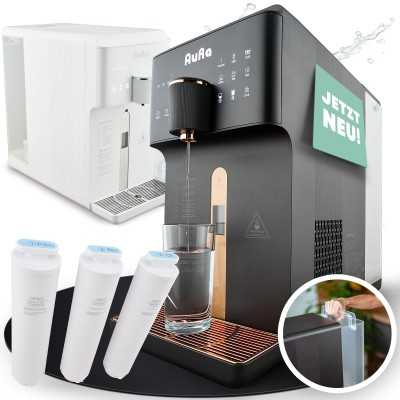


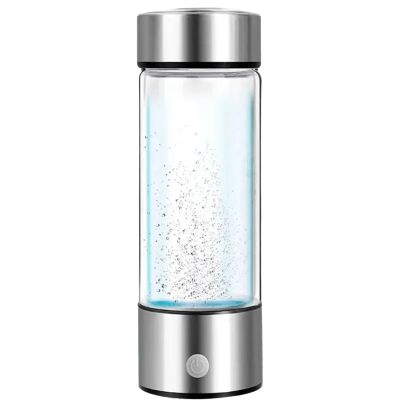




Generate Kangen water Convert normal...
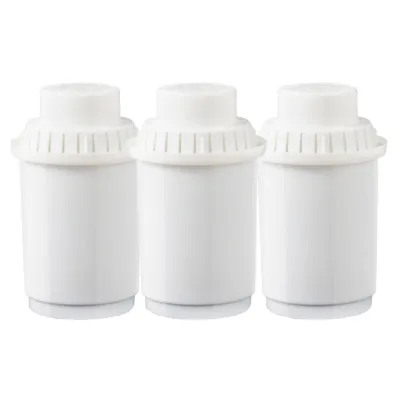
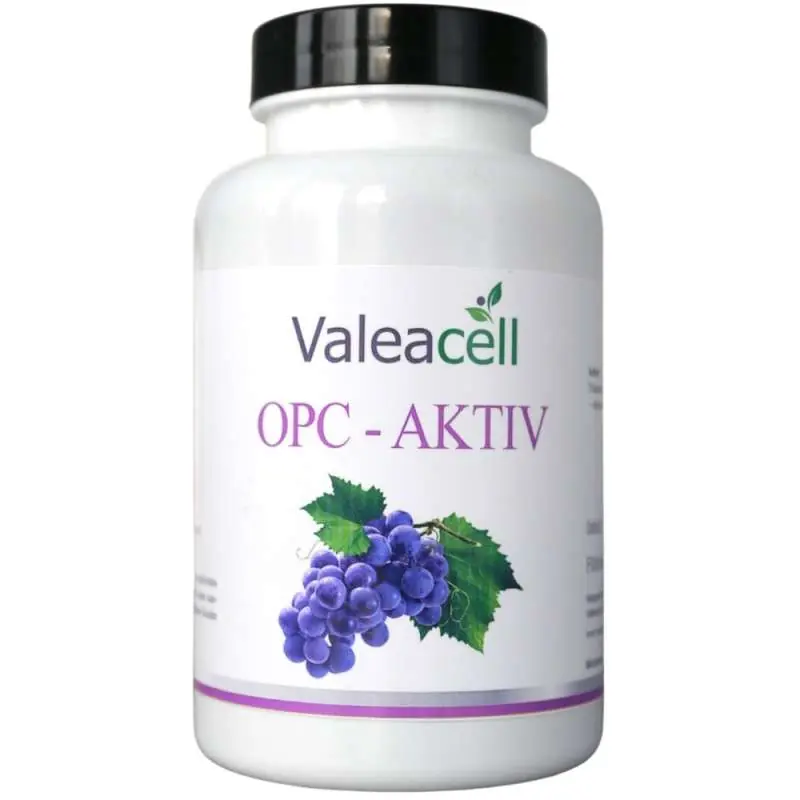
The Valeacell filter cartridge is a...
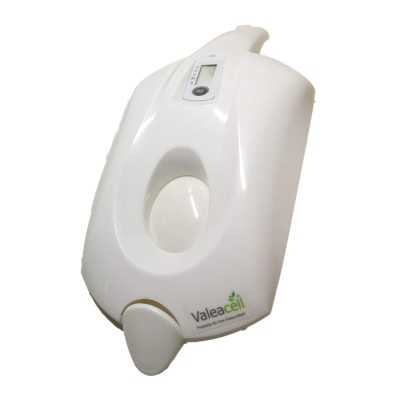
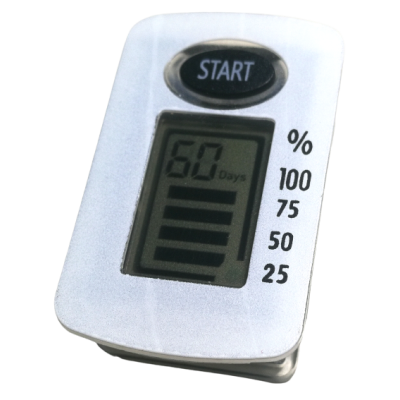

Enjoy delicious, sparkling water...

Sparkling water dispenser...
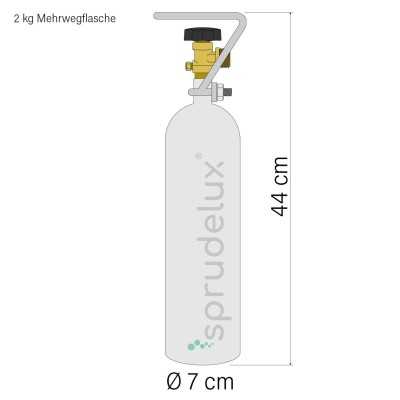
Sparkling water dispenser...
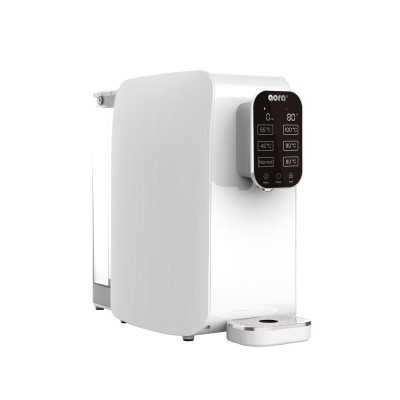
Mobile reverse osmosis system with...

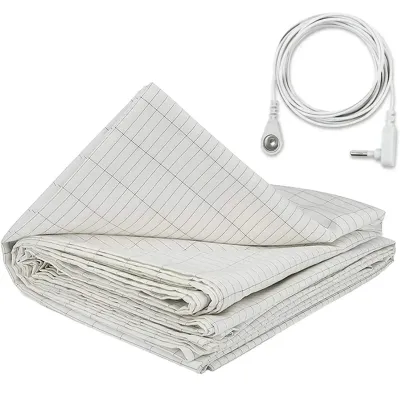

VIVIBEE Klassische quadratische...

Generate Kangen water Convert normal...
The Valeacell filter cartridge is a...
Enjoy delicious, sparkling water...
Sparkling water dispenser...
Sparkling water dispenser...
Mobile reverse osmosis system with...
VIVIBEE Klassische quadratische...
OPC has the ability to strengthen collagen bonds. Thanks to this property and the improved blood flow resulting from taking OPC, blood vessels can be repaired without the build-up of blood lipids and calcium – thereby preventing blockages. Furthermore, OPC is said to promote long-term elasticity in blood vessels, which can lead to stable and regulated blood pressure

Sicherheitsrichtlinien

Lieferbedingungen

Rückgabebedingungen

Guarantee safe & secure checkout

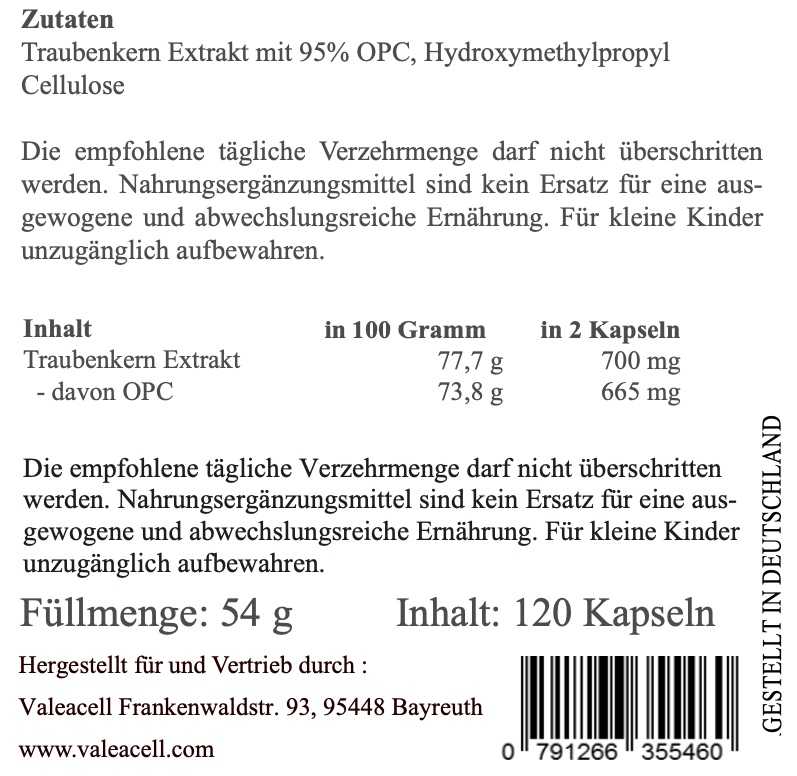
What is OPC grape seed extract
OPC stands for Oligomeric Proanthocyanidins. It was discovered in 1948 by Jacques Masquelier during a study on the feedability of peanuts and is a very high-quality, purely plant-based vital substance belonging to the polyphenol group. Studies at that time found that the skins contained substances that were excellent for treating venous disorders.
Where does our OPC come from?
OPC is found in various plants, such as the seeds, skins and leaves of red grapes, blueberries, the red skins of peanuts, coconuts, ginkgo leaves, apples, larch wood and the bark of the maritime pine. Although OPC is found in many plants, it has proved most economically viable to produce OPC from powdered grape seeds and ground pine bark. As grape seeds account for a significant 70% of the mixture and the effect is not compromised, we are permitted to call it grape seed extract.
Free radicals in our body
The onset of many health complaints can be attributed to the influence of free radicals. These attack our cells and can lead to complete functional failure or, in some cases, to cell mutation. An increasing number of medical scientists are providing evidence that polyphenols (OPC) are responsible for flushing out free radicals.
Does it help with arteriosclerosis?
Poor diet, stress and salt cause cracks in the vessel walls. In arteriosclerosis, these are provisionally repaired by blood lipids and calcium deposits. Thanks to its unique structure, OPC has the ability to strengthen collagen bonds. Thanks to this property and the improved blood flow resulting from taking OPC, blood vessels can be repaired without the need for blood lipids and calcium – preventing blockages. Furthermore, OPC is said to promote long-term elasticity in blood vessels, which can lead to stable and regulated blood pressure.
Does OPC really act as a vitamin C booster?
OPC actually has an antioxidant effect 20 times greater than that of vitamin C and is up to 50 times more potent than vitamin E (1,2,3). At the same time, OPC enhances the antioxidant effects of these vitamins.
The effect of taking OPC and vitamin C together is increased tenfold.
It is therefore advisable to take OPC together with vitamin C or vitamin E to benefit from this synergistic effect.
When is the best time to take it?
It is best to take OPC half an hour before or after meals; otherwise, it may bind to proteins in the digestive tract and be unable to unfold its full potential. You should therefore avoid protein-rich foods when taking it.
Sources and study references:
(1) Res Commun Mol Pathol Pharmacol. 1997 Feb;95(2):179-89. “Oxygen free radical scavenging abilities of vitamins C and E, and a grape seed proanthocyanidin extract in vitro.” Bagchi D, Garg A, Krohn RL, Bagchi M, Tran MX, Stohs SJ.
(2) Alexander Rucker, Anne Simons, “Living Healthier for Longer with OPC”, 7th updated edition 2012, Maya Media Verlag <
(3) Uchida, Edamatsu et al.: “Condensed tannins scavenge active oxygen free radicals”, Med. Sci. Res. (15) 1987, pp. 831ff.