Electromagnetic pollution in the bedroom can affect your sleep and your health. This practical guide shows you how to...
Generate Kangen water Convert normal...
- On sale!
- -50%
PFAS (per- and polyfluoroalkyl substances) are a group of more than 4,700 chemical compounds that have been used in industrial and consumer products since the 1940s. Due to their unique properties – they are water-, grease- and dirt-repellent – they are found in coatings on pans, outdoor clothing, packaging, cosmetics and even in fire-fighting foams. The nickname ‘forever chemicals’ stems from the fact that PFAS are extremely stable and hardly break down in the environment. They accumulate in soil, groundwater and ultimately in the food chain. Studies show that PFAS are linked to various health problems, including liver damage, thyroid disorders, a weakened immune system and an increased risk of certain types of cancer. The World Health Organisation has classified some PFAS as possibly carcinogenic. Of particular concern is that these chemicals can be detected in drinking water even at very low concentrations and accumulate in the human body.
\nThe contamination of drinking water with PFAS is a complex problem stemming from various sources. The main cause is the industrial production and processing of these chemicals. Factories that manufacture PFAS or use them in products often discharge them into rivers and lakes via wastewater. The use of PFAS-containing firefighting foams at airports or during fire drills also leads to direct contamination of the soil and groundwater. Another major route of entry is agriculture: when sewage sludge containing PFAS from households and industry is spread on fields as fertiliser, the chemicals enter the groundwater. Furthermore, PFAS from consumer products such as coated food packaging or textiles can enter the environment via household waste. As PFAS are extremely mobile, they spread rapidly throughout the water cycle. In Germany, elevated PFAS levels have already been measured in groundwater in many regions, leading to waterworks having to use complex purification processes or wells being decommissioned. It is therefore important for consumers to know that even tap water is not automatically free of these pollutants.
\nThe regulation of PFAS in drinking water is a dynamic field. In Germany, a stricter limit of 0.1 micrograms per litre (µg/l) for the sum of 20 different PFAS compounds in drinking water has been in force since 2023. This limit is based on the EU Drinking Water Directive, which must be implemented nationwide from 2026. However, environmental and consumer protection organisations are calling for even lower limits, as concentrations below this level can already have health effects. The European Chemicals Agency (ECHA) is currently reviewing a comprehensive ban on PFAS in the EU, which would drastically restrict the production and use of these substances. Until then, however, contamination of drinking water remains a real danger. It is important for consumers to know that the limit values are not always adhered to. In many regions of Germany, particularly near industrial areas or former fire training grounds, exceedances are being reported. It is therefore advisable to find out about local water quality and, if necessary, take protective measures.
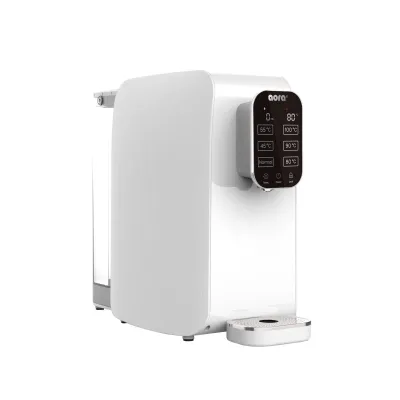
\nThe most effective method for removing PFAS from drinking water is the use of specialised water filters. Conventional filters, such as those used in jugs or fitted to taps, are often unable to remove these tiny molecules. This is where advanced technologies such as reverse osmosis come into play. Reverse osmosis systems use a semi-permeable membrane that traps even the smallest contaminants such as PFAS, pesticides, hormones and heavy metals. They are currently the most effective solution for domestic use. A particularly innovative option is the Aora Mobile Reverse Osmosis System with Hot Water Function – No Water Connection Required, which not only removes PFAS but also provides hot water and requires no fixed water connection – ideal for rented properties or mobile use. If you’re looking for a permanent solution for the kitchen, you can opt for the Premium Osmosis System with Hot Water Function 3-in-1 System, which also offers high filtration performance and saves space. Both systems are designed to fall well below the legal limits and provide you with pure, healthy drinking water.
\nActivated carbon filters are another technology that can be used to remove PFAS. They work through adsorption, whereby the contaminants adhere to the surface of the carbon. However, their effectiveness depends heavily on the type of PFAS and the contact time. Short-chain PFAS, which have been used increasingly in recent years, are often not adequately removed by activated carbon. Furthermore, activated carbon filters must be replaced regularly, as otherwise they become saturated and may release the contaminants again. Reverse osmosis is therefore the significantly superior technology for the reliable removal of all types of PFAS. In combination with pre- and post-filtration, reverse osmosis systems provide a complete barrier against most contaminants. For consumers seeking a complete solution, a system with multiple filtration stages, such as the reverse osmosis systems mentioned, is the safest choice.
\nIn addition to water filtration, there are other measures you can take to reduce your intake of PFAS. Avoid food packaging made from coated paper or cardboard, as is often used for fast food or baked goods. Where possible, cook using stainless steel, cast iron or ceramic pans instead of non-stick Teflon pans, as these often contain PFAS. Outdoor clothing with a water-repellent coating should also only be washed when necessary to minimise the release of PFAS. When buying cosmetics and personal care products, look for PFAS-free alternatives. If you filter your drinking water, ensure the filter is changed regularly to guarantee optimal performance. The combination of a high-quality water filter and mindful consumption is the best way to significantly reduce exposure to ‘forever chemicals’.
\nPFAS pose a serious threat to water quality and our health. Regulation is progressing, but implementation takes time. Until then, it is your responsibility to protect yourself. Invest in a high-performance reverse osmosis water filter to ensure your drinking water is free from these dangerous chemicals. The Aora Mobile Reverse Osmosis System with Hot Water Function (No Water Connection Required) and the Premium Reverse Osmosis System with Hot Water Function 3-in-1 System are excellent options that reliably remove not only PFAS but also other contaminants. Find out about the water quality in your area and make an informed decision. Your body will thank you for it.
\nYes, there are laboratories that test drinking water for PFAS. However, the analysis is relatively expensive (often over 100 euros) and is usually only recommended if contamination is suspected. For everyday use, a high-quality water filter is the more practical solution.
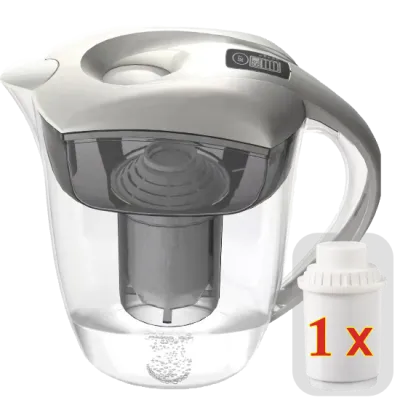
\nNo, conventional jug filters with activated carbon do not reliably remove PFAS, particularly short-chain compounds. Only specialised filters using reverse osmosis or high-quality activated carbon (e.g. in osmosis systems) offer effective protection.
\nFilter replacement intervals vary depending on the model and water consumption. As a general rule, the pre-filters should be replaced every 6–12 months and the membrane every 2–3 years. For the Valeacell systems mentioned, the replacement intervals are clearly specified.
\nYes, mineral water can also contain PFAS, as the sources are often located in contaminated areas. A 2021 study found PFAS residues in several German mineral water brands. Caution is therefore advised here too, and a water filter for tap water is a sensible alternative.
\nNo, PFAS are extremely heat-stable and are not destroyed by boiling. On the contrary, the evaporation of water can actually increase the concentration of these pollutants. A filter is therefore the only effective method.
\n