













What is the difference between a water ionizer and a reverse osmosis unit?
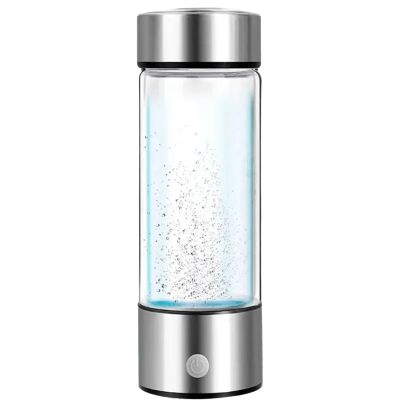
A water ionizer is a device used to change the pH of water and to separate it into alkaline and acidic water. It uses electrolysis technology to ionize the water and generate negatively and positively charged ions. The alkaline water is often used as drinking water and is said to have an alkalizing effect on the body, while the acidic water can be used for cleaning purposes. Ionizers aim to alkalize water and potentially offer antioxidant properties.
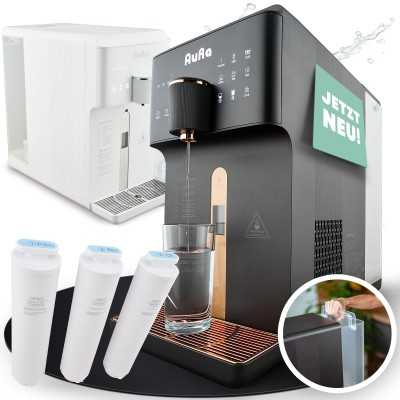
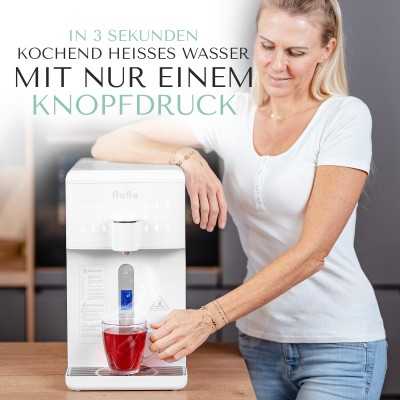
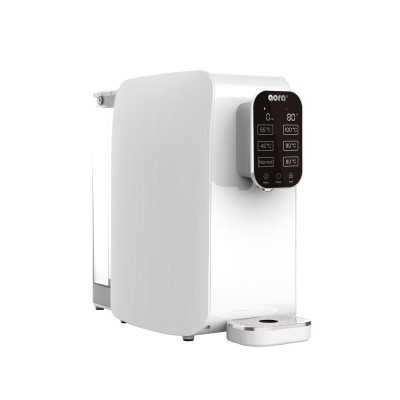
A reverse osmosis system, on the other hand, is based on the principle of reverse osmosis. It uses a semi-permeable membrane to remove contaminants such as salts, minerals, heavy metals, bacteria and viruses from the water. The process produces clean, filtered water that can be used for various purposes such as drinking, cooking or industrial applications. Reverse osmosis systems aim to free water from a broad range of contaminants and to ensure high water quality.
The main difference therefore lies in how they work and what they aim for. While a water ionizer primarily aims to change the pH and provide alkaline water, a reverse osmosis system focuses on removing contaminants and providing clean, filtered water. The choice depends on individual requirements and preferences: ionization of the water, or comprehensive purification.